
Every temple in China has a Communist Party cadre embedded in its management.
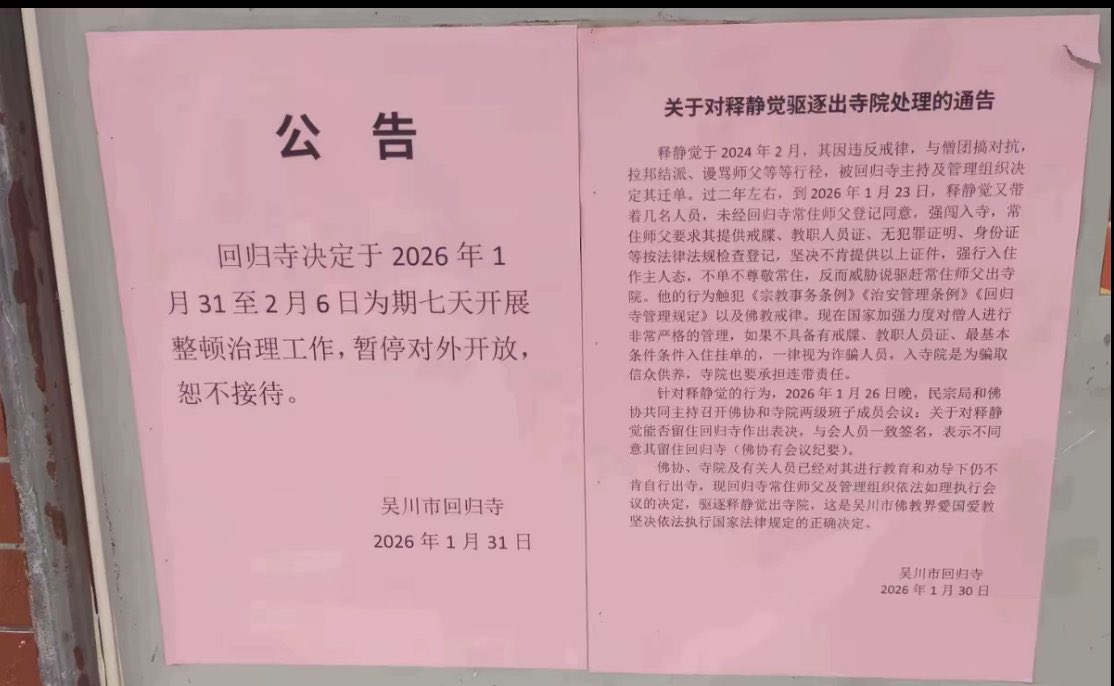
When one monk challenged the system—exposing what he called a family-run enterprise shielded by local officials—he was beaten, expelled, and left with no refuge.
On February 4, 2026, Shi Jingjue
时政
(
twitter.com
)
Every temple in China has a Communist Party cadre embedded in its management.
When one monk challenged the system—exposing what he called a family-run enterprise shielded by local officials—he was beaten, expelled, and left with no refuge.
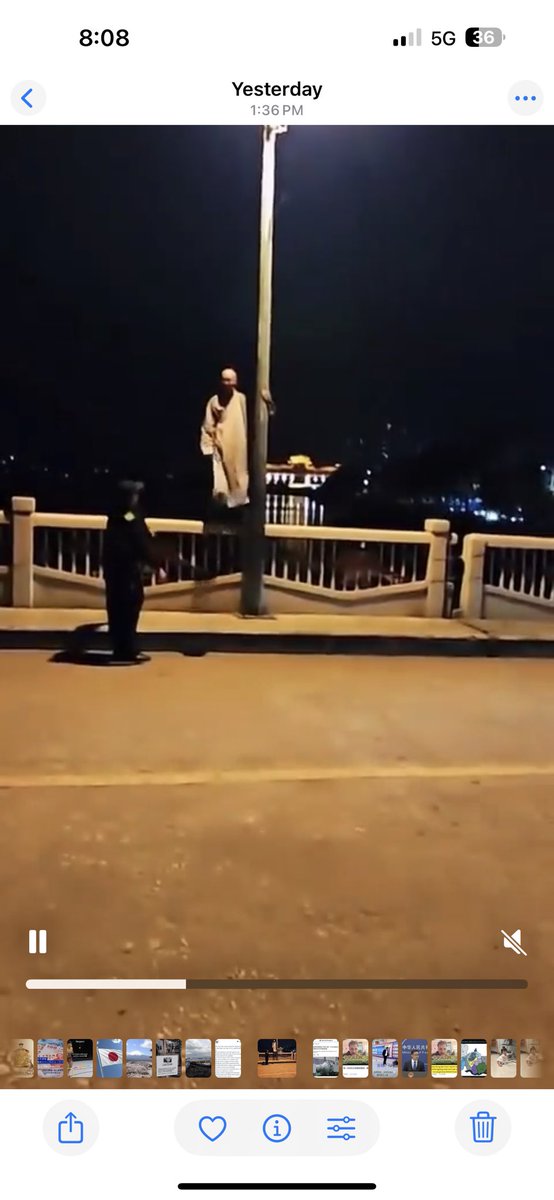
On February 4, 2026, Shi Jingjue live-streamed his final moments from a bridge in Zhanjiang before jumping.
In his suicide note, he accused the Huigui Temple abbot and Religious Affairs Bureau chief Chen Jingshou of collusion, violence, and fabricating charges to seize control of temple revenue.
Religion in China is classified as “culture,” not faith. Temples are state-regulated businesses generating tourism income, donations, and land value. Monks must pass political vetting. Dissent is not tolerated.
When belief is administered like a corporation, compassion becomes optional.
When authority is absolute and grievance channels are closed, even a monk finds no way out.
This was not personal despair alone—it was the tragic end of a prolonged power struggle over control, finances, and legitimacy.
Even sanctuaries are no longer safe.
点击图片查看原图
点击图片查看原图

